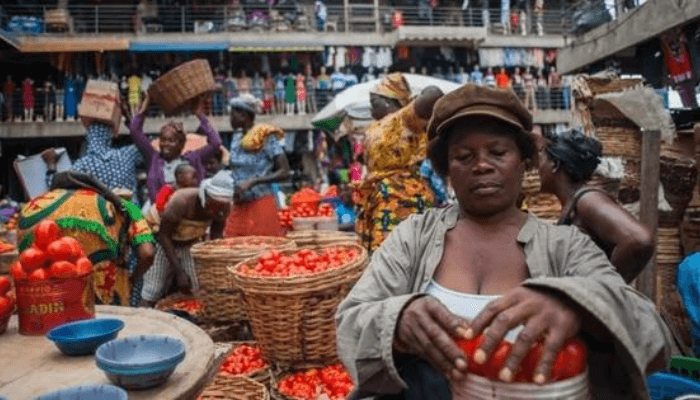
Tunde Alabi, a fuel attendant in Lagos, earns the national minimum wage of N70,000 ($44) a month — an income that barely lasts two weeks. By the time he pays for transport to work, contributes to food at home, and buys essentials, there is almost nothing left. “You just survive,” he said. “Saving is not even something you think about.” His experience reflects a broader reality across Africa’s most populous nation, where low wages combined with rising inflation have eroded purchasing power and pushed workers into a daily struggle to meet b
Tunde Alabi, a fuel attendant in Lagos, earns the national minimum wage of N70,000 ($44) a month — an income that barely lasts two weeks. By the time he pays for transport to work, contributes to food at home, and buys essentials, there is almost nothing left. “You just survive,” he said. “Saving is not even something you think about.” His experience reflects a broader reality across Africa’s most populous nation, where low wages combined with rising inflation have eroded purchasing power and pushed workers into a daily struggle to meet b