Companies have distinctly different perceptions of the country’s political and economic conditions, with the more competitive firms generally seeing the environment as supportive, while lagging firms consider it an obstacle.
However, both groups have learned to adapt to the system, and most feel at home within the framework of Hungary’s current political and economic structure, commonly referred to as “NER” (National Cooperation System).
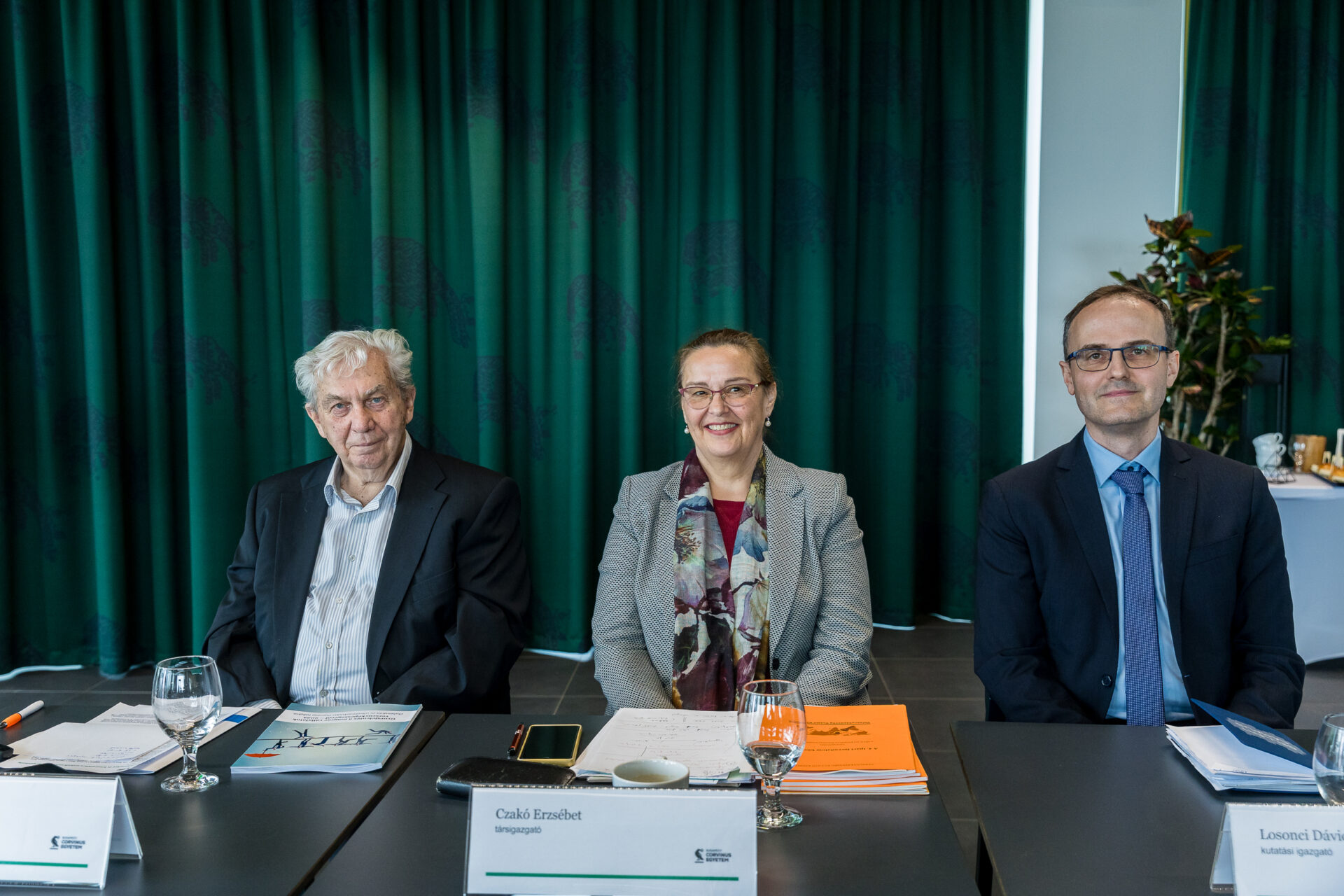
The latest report on Hungary’s corporate competitiveness by Corvinus University reveals a stark divide between high-performing and underperforming businesses. This divide is not only a matter of economic success but also shapes how companies experience the country’s political landscape.
The survey, which included 335 responses from medium- and large-sized Hungarian companies, 90% of which are domestically owned, revealed that competitive companies are increasingly accustomed to navigating the NER rules, while struggling firms often face more challenges in doing so.
The Corvinus findings show that the corporate landscape in Hungary is now clearly split into two distinct camps. The competitive companies, 175 of the total that responded, outperform their counterparts in almost every aspect, from productivity and profitability to adaptability and market share.
These companies reported more favorable conditions regarding access to capital, the regulatory environment, and overall economic performance. Despite the obstacles posed by factors like inflation, supply chain disruptions, and geopolitical tensions, competitive firms view the Hungarian political system as stable and predictable.
According to Attila Chikán Sr., director of the Competitiveness Research Center, “The Hungarian business environment has become something of a known entity for many companies. While some may find it challenging, most have adapted to the system and now view it as a reliable platform for their operations.”
This sentiment reflects the growing confidence among firms in navigating the complexities of Hungary’s economic policies.
Taking Advantage
A significant percentage of companies in this group have not only managed to thrive under the NER system but have also learned how to take advantage of the opportunities it offers, such as access to government-backed grants, favorable tax policies, and a relatively stable currency.
These companies focus on maintaining high levels of operational efficiency and are more inclined to innovate in response to consumer demand, Corvinus finds.
In stark contrast, the 160 companies categorized as lagging behind face a far more difficult environment. These firms are predominantly based in regions outside the central and capital areas, with a large portion operating in the manufacturing and logistics industries.
For these companies, the political environment is perceived as a significant hindrance to growth, with frequent regulatory changes and an unpredictable policy landscape creating challenges in decision-making.
The struggle for these companies is compounded by factors such as rising inflation, high energy costs, and ongoing supply chain disruptions caused by the ongoing conflict in Ukraine.
Many of these firms find themselves squeezed by rising operational costs and decreasing demand, making it challenging to remain competitive. According to the report, while many of these companies acknowledge the stability of the Hungarian political system, they view the current economic climate as highly unfavorable for survival.
Interestingly, these companies also report greater difficulties securing financing and credit, with many excluded from more lucrative government programs. The economic pressures have led to worsening payment discipline, as these firms struggle to collect payments from clients while facing increasing operational costs.
The division between competitive and lagging companies is more than just an economic issue; it’s also profoundly political. While the competitive firms primarily view NER as an advantageous system that supports their business models, lagging companies feel marginalized. These businesses face significant hurdles in accessing the same growth opportunities, often struggling to keep up with larger, more politically connected firms.
“While the political and economic systems are often seen as stable, they are not always seen as fair,” said Chikán. “There’s a growing sense that the most competitive companies are able to leverage the system for their benefit, while those at the bottom are left to contend with a much more challenging environment.”
Innovation Slowing
Despite the divide, the report also shows that many companies, regardless of their competitiveness, focus on adapting to the changing environment through innovation and digital transformation. However, the survey found that innovation has slowed significantly since the onset of the COVID-19 pandemic, with many firms now focusing more on maintaining operational stability than pursuing groundbreaking innovations.
In particular, Hungarian companies are placing greater emphasis on sustainability and meeting the demands of increasing regulatory pressure. However, this shift is more a response to tightening regulations than a proactive drive toward long-term sustainable development.
“Many businesses are ‘greening’ their operations […] to avoid penalties, not because they genuinely see sustainability as a long-term strategy,” noted Chikán.
In terms of financial strategies, the report highlights a growing willingness among competitive companies to invest in their operations, with a particular focus on technology development and innovation. The ability to secure financing and invest in future growth has been crucial for maintaining competitiveness, especially as the global economy continues to face challenges.
Interestingly, more companies are taking out loans and engaging in public funding programs than in previous years. Despite this, the rise in debt is accompanied by a decrease in payment discipline, with late payments and cash flow issues becoming more common among struggling firms.
The report also notes that nearly 50% of the surveyed companies have won grants for technological advancements and energy efficiency upgrades, indicating that public funding continues to play a critical role in supporting innovation.
Looking ahead, the outlook for Hungarian businesses remains uncertain. The report emphasizes that while the most competitive companies are in a strong position to weather storms, lagging firms face significant challenges.
These include navigating political uncertainties, coping with rising inflation, and responding to an increasingly complex regulatory environment.
The division within Hungary’s corporate sector will likely continue, with competitive companies increasingly leading the charge regarding innovation, investment, and sustainability. On the other hand, lagging companies may continue to struggle unless they can adapt more rapidly to the changing landscape and secure better access to capital and growth opportunities.
This article was first published in the Budapest Business Journal print issue of May 16, 2025.